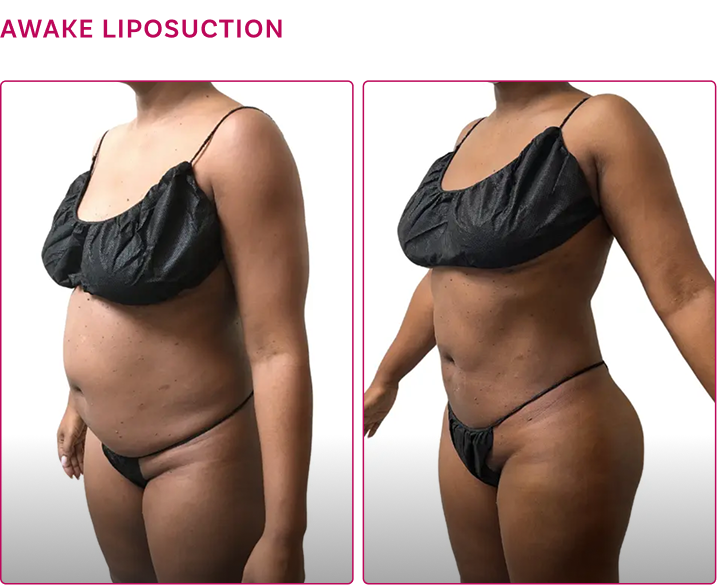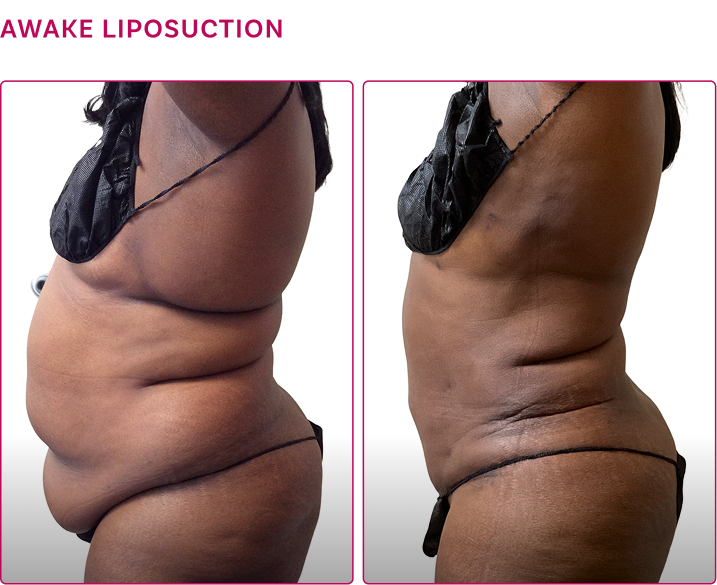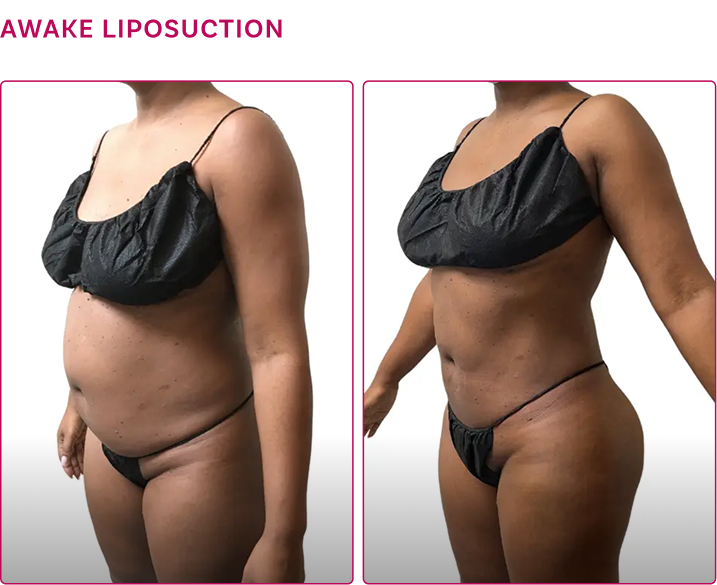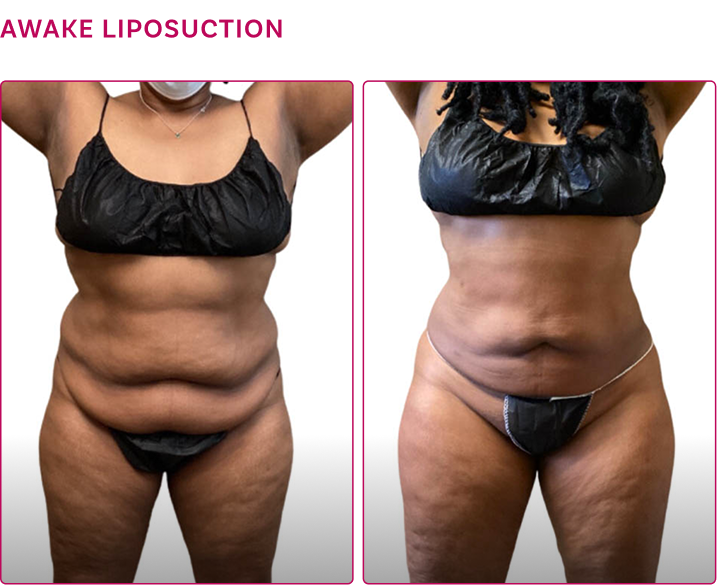
The main difference between high-BMI liposuction and weight loss surgery is their fundamental purpose: high-BMI liposuction is a body contouring procedure that sculpts and shapes the body by removing stubborn fat deposits, while weight loss surgery (also called bariatric surgery) alters the digestive system to promote long-term weight loss for health reasons. One refines your silhouette; the other reduces total body weight and manages obesity-related conditions.
At Dr. Lissa Plastic Surgery in Atlanta, GA, we welcome patients of all sizes to explore body contouring options – including specialized high-BMI awake lipo tailored for a BMI of 35 and above.
Liposuction removes localized pockets of subcutaneous fat – the stubborn fat just beneath the skin that resists diet and exercise. Using a thin tube called a cannula, a surgeon gently suctions away fat cells for a smoother, more sculpted shape. Common areas include the abdomen, flanks (“love handles”), back, thighs, and arms. Learn more on our Liposuction page.
High-BMI awake lipo is a specialized approach designed for patients with a higher body mass index, typically 35 and above. Many practices turn away plus-size patients, but Dr. Lissa Plastic Surgery has developed protocols specifically for this group.
Focuses on large-volume fat removal to create defined curves and a proportionate figure
Often performed as an awake procedure (under local anesthesia).
Weight loss surgery includes procedures like gastric sleeve and gastric bypass, which modify the stomach and sometimes the small intestine to limit food intake or nutrient absorption. Unlike liposuction, it affects your entire body weight, not just one area.
While both can lead to a smaller frame, their goals, methods, and ideal candidates are worlds apart.
High-BMI liposuction: Purely aesthetic – sculpting, debulking, and contouring specific zones for a balanced silhouette. It permanently removes fat cells but does not deliver bariatric-level weight loss.
Weight loss surgery: Primarily medical – a tool for significant, sustainable weight loss that improves or resolves obesity-related health problems. Appearance changes are a secondary benefit.
One sculpts. The other shrinks. That is the heart of the difference.
High-BMI liposuction: A surgeon removes fat cells from targeted areas with a cannula, often using an awake technique with local anesthesia for added safety. Removed fat cells are gone for good, but the procedure does not change appetite or metabolism.
Weight loss surgery: Fundamentally changes your anatomy. A gastric sleeve, for example, removes a large portion of the stomach to create a smaller “sleeve” that limits food intake. It requires lifelong dietary and lifestyle commitment to be effective.
High-BMI liposuction candidate: A plus-size individual (often BMI 35+) in good overall health, at or near a stable weight, who struggles with disproportionate fat and wants to sculpt areas like the abdomen, back, or arms.
Weight loss surgery candidate: Someone with a very high BMI (often 40+, or 35+ with serious health conditions) whose weight impacts their health and who has been unsuccessful with traditional weight-loss methods.
High-BMI liposuction recovery involves a few days of downtime, followed by several weeks of wearing a compression garment to manage swelling and support new contours.
Recovery from weight loss surgery is longer and more structured, involving a hospital stay and a staged diet that progresses from liquids to solid foods over several weeks, plus permanent adjustments to eating habits.
With high-BMI liposuction, you’ll see improved shape almost immediately, with final results appearing as swelling subsides over several months. Removed fat cells are gone permanently, and results can last for years – as long as you maintain a stable weight, since remaining fat cells can still expand.
With weight loss surgery, results build gradually over 12 to 24 months. Maintaining the loss requires lifelong adherence to strict dietary guidelines and exercise.
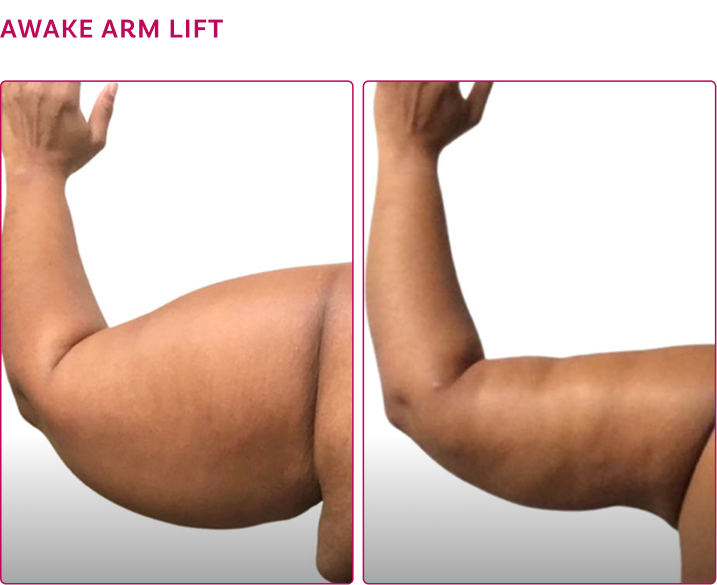
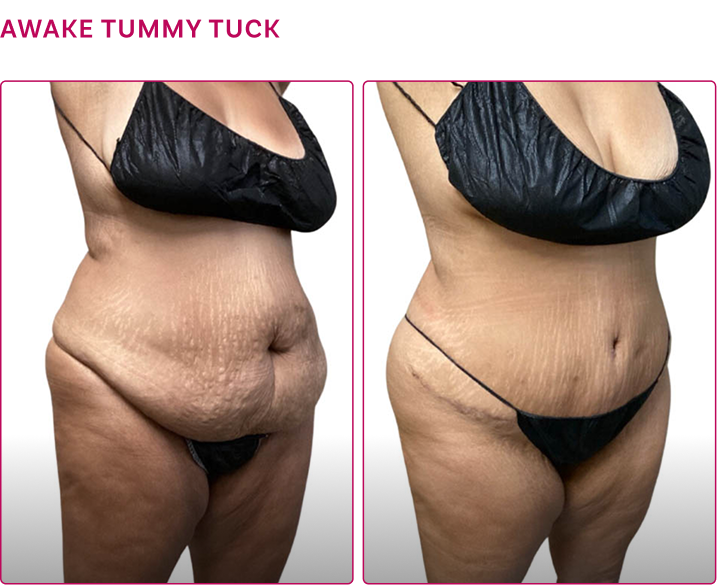
Yes – it’s a common and effective combination. Many patients undergo bariatric surgery first, then address loose skin and stubborn fat afterward. Post-weight-loss body contouring – including liposuction, an arm lift, and a tummy tuck – refines the final result. Wait until your weight has been stable for at least 6–12 months before pursuing body contouring.
High-BMI liposuction is a cosmetic procedure for fat reduction and body sculpting, while bariatric surgery is a medical procedure for substantial weight loss and health improvement – and for some patients, they complement each other. If you’re in the Atlanta area and ready to explore which option suits your body and goals, Dr. Lissa Plastic Surgery offers specialized high-BMI awake liposuction designed to welcome patients of every size.

About the Author
Dr. Lisa Bootstaylor, MD