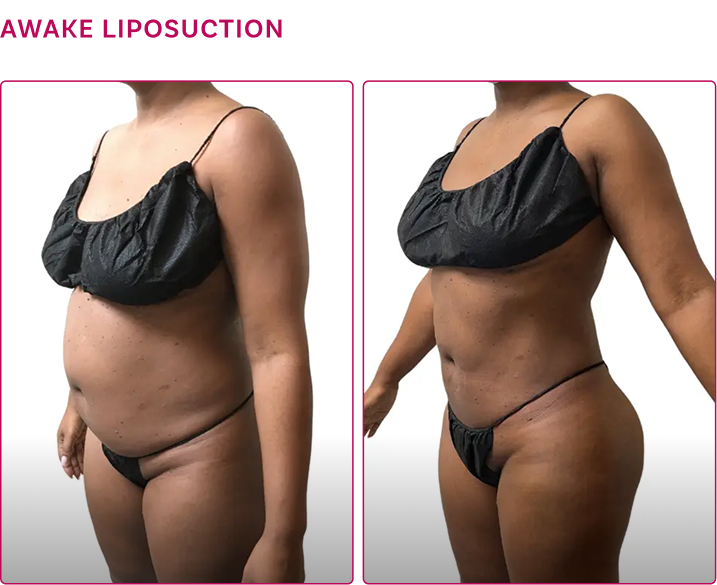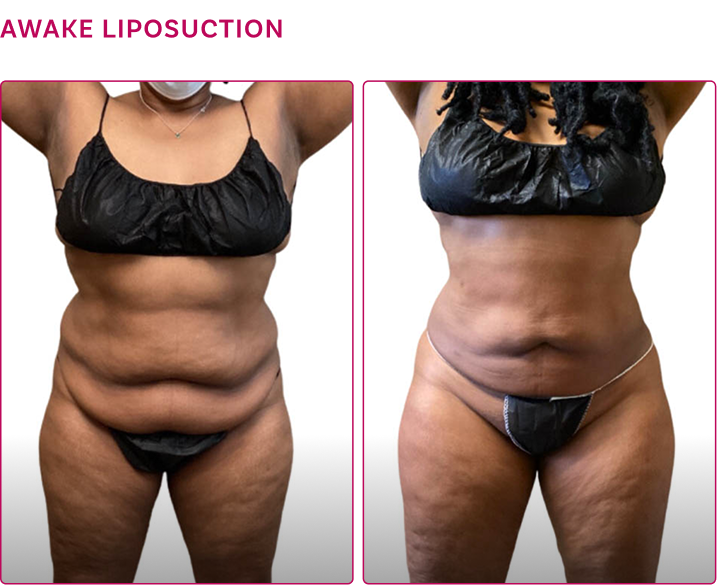
Recovery after a mommy makeover happens in stages, with each milestone bringing you closer to your final results. Most patients need about two weeks of dedicated rest before gradually returning to everyday activities, while driving and desk work are often possible within a few weeks, depending on the procedures performed and your surgeon’s advice. Although you’ll notice improvements early on, swelling continues to settle over the following months, with final results developing over the course of a year.
With careful planning, realistic expectations, and following your post-operative instructions, the recovery process is typically smooth and manageable.
The first few days set the tone for the rest of your healing. Knowing what to expect makes the experience far less stressful.
A mommy makeover is an outpatient procedure, so you will go home the same day. You cannot drive yourself, so arrange for a trusted friend or family member to drive you, help you get settled, and stay with you for the first 24–48 hours. You will feel groggy from anesthesia, tired, tight, and sore. Your primary job is to rest, sip fluids, and sleep.
Set up a comfortable recovery spot beforehand – a recliner or a bed propped with pillows keeps you slightly bent, which takes pressure off your abdomen.
Most patients describe the first few days as significant soreness, tightness, and aching rather than sharp pain. The tummy tuck portion tends to cause the most tightness since the abdominal muscles are often repaired – you may feel like you did too many sit-ups. Take your prescribed pain medication as directed to stay ahead of the discomfort, which typically eases significantly after the first week. As you heal, soreness can be managed with over-the-counter options once cleared by our team.
Move slowly and stay slightly bent at the waist early on – don’t rush to stand up straight, as this can pull on healing tissue.
You will go home with surgical dressings over your incisions and a medical-grade compression garment. This garment does double duty – supporting your healing tissues, minimizing swelling, and helping your skin conform to its new shape.
Depending on your procedure, you may have temporary surgical drains to remove excess fluid and reduce swelling.
Keep incision areas clean and dry, and follow your specific care instructions closely.
Avoid soaking in baths, pools, or hot tubs until cleared, since submerging incisions before they close can cause problems.
Our team will provide detailed instructions on caring for your incisions, managing drains, and changing dressings.
Recovery is a marathon, not a sprint. Everyone heals at their own pace, but this general timeline shows what most patients experience.
This first week is all about rest, with limited mobility and a need for significant help. Avoid anything strenuous.
Positioning: Walk with a slight bend at the waist and sleep reclined (in a recliner or propped up with pillows) to avoid strain on incisions.
Care: Wear your compression garment 24/7, removing it only to shower if approved. Continue prescribed medication and empty drains if you have them.
Support: Arrange help with children, meals, and household tasks this week.
Many patients feel noticeably better, but this is still early in the healing process. Swelling and bruising begin to fade.
Activity: Move around more easily, but avoid lifting, bending, reaching overhead, or straining. Short walks outside may be possible.
Appointments: You’ll have a follow-up at our Atlanta office to check incisions and progress. Drains are often removed during this period.
Swelling and bruising noticeably improve, and energy slowly returns.
Activity: Incorporate more light activity and simple household tasks, but avoid lifting anything heavier than about 10 pounds and vigorous exercise.
Comfort: You’ll likely stand up straighter and feel more like yourself. Keep wearing your compression garment as directed.
A major turning point for many patients, with our team’s approval.
Activity: Most patients with office-based jobs can return to work and are cleared to drive, provided they are off prescription/narcotic pain medication and can sit and operate a vehicle safely.
Garments: You may transition from the initial surgical garment to a less restrictive, Spanx-style compression garment during the day.
Internal tissues have healed enough to reintroduce more strenuous activity.
Exercise: Begin with low-impact activities, such as walking, stationary cycling, or using an elliptical. Avoid high-impact exercise and direct core work (crunches, sit-ups) until specifically cleared, usually around 8–12 weeks.
Daily Life: Resume most household activities, including lifting heavier objects and children, but listen to your body and don’t overdo it.
Swelling continues to settle, and your final shape becomes clearer. Scars will be red or pink and may feel slightly raised before fading toward lighter tones. Staying active and maintaining a stable weight helps preserve your outcome.
Full healing can take up to a year. Swelling can fluctuate for months, scars continue to fade, flatten, and soften, and any lingering tightness or numbness usually resolves. By the one-year mark, your final, beautiful results are fully apparent.
A little preparation goes a long way. The more you plan ahead, the more you can focus on resting.
Arrange for help. Line up a dedicated caregiver for the first 48 hours and support with childcare, meals, and housework for at least the first two weeks.
Create a recovery station. Set up a comfortable spot with pillows, blankets, phone charger, TV remote, books, medications, water, and healthy snacks within arm’s reach.
Meal prep. Cook and freeze meals ahead, or arrange a meal delivery service.
Fill prescriptions. Pick up all post-op medications before your surgery date.
Plan time off. Give yourself enough time away from work and demanding responsibilities.
Wear your prescribed compression garment exactly as instructed.
Attend all follow-up appointments so your surgeon can monitor your healing.
Wear loose, comfortable clothing that’s easy to put on and take off (button-down shirts, zip-up hoodies, loose pants).
Keep extra pillows to maintain a comfortable, reclining position in bed.
Stay hydrated and eat nourishing foods. Our post on the importance of an anti-inflammatory diet offers practical eating tips.
Take short walks daily to keep circulation moving.
Scars are a normal part of any surgical procedure, but with proper care they fade significantly and are placed to be easily hidden by clothing. In the early weeks, keep incisions clean and dry and avoid any tension on the lines. For the first several months, scars may look red or raised before softening.
To help your scars heal well:
Once incisions are fully closed and you’re cleared (usually around 3–4 weeks), begin a scar care regimen, such as silicone sheeting or gels, which help flatten and fade scars.
Keep incisions out of direct sun for at least a year, and use sunscreen once healed – UV exposure can permanently darken scars.
Avoid stretching or straining the incision areas while they heal.
Keep your weight stable, since fluctuations can affect how scars settle.
Recovery is a gradual, well-defined process: the first two weeks call for rest; most patients return to work and driving by six weeks; and full results settle over the following months, up to a year. By preparing your home, lining up support, wearing your compression garment, and following your aftercare plan, you set yourself up for a smooth recovery.

About the Author
Dr. Lisa Bootstaylor, MD