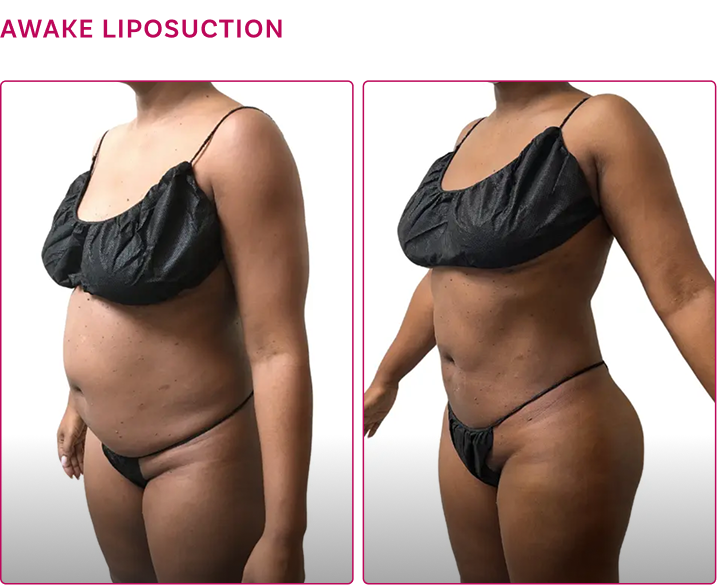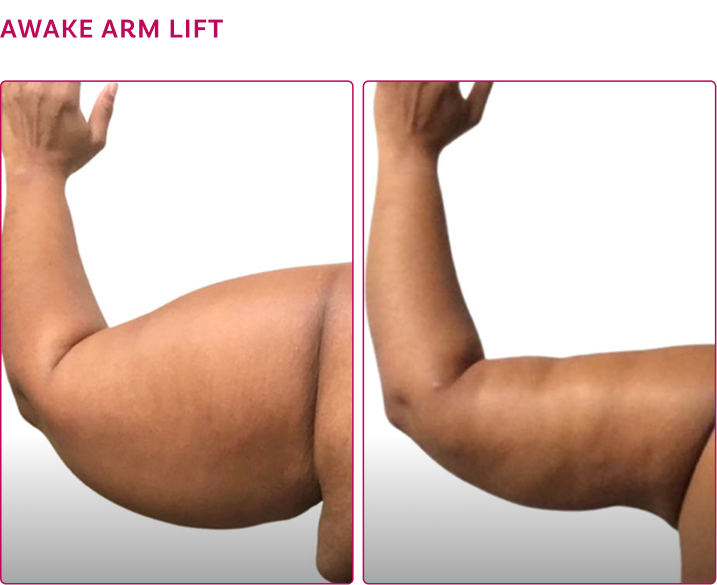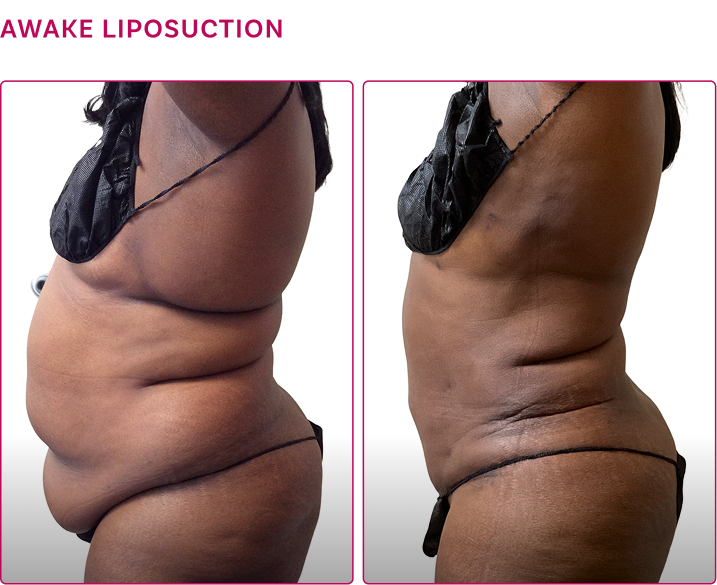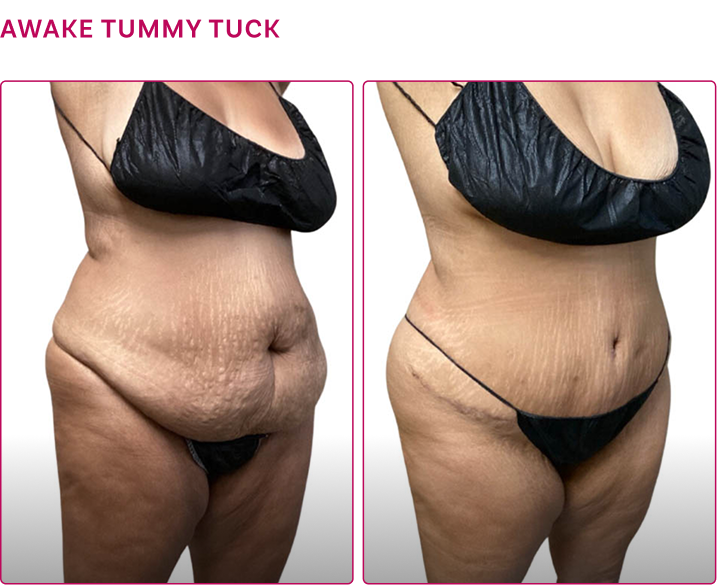
If you’ve just had liposuction, you’ve probably noticed swelling, tightness, and maybe a bit of soreness that makes you wonder if your results are hiding somewhere under all that puffiness. It’s a common worry, and it’s completely normal. Lymphatic drainage massage helps your body move trapped fluid out faster, which eases swelling, reduces discomfort, and helps your new contours show up sooner rather than staying buried under inflammation for weeks.
That’s the short answer. But there’s a lot more to know about why this gentle massage has become such a standard part of recovery for lipo patients, and how it actually works with your body rather than against it.
Liposuction removes fat, but it also disturbs the surrounding tissue. Your body responds as it does to any injury: it sends fluid to the area to help with healing. That fluid needs somewhere to go, and normally your lymphatic system handles that job quietly in the background.
The problem is that surgery can temporarily slow that system down. Small lymphatic vessels near the treated area may be bruised or compressed, so fluid builds up faster than your body can clear it. That’s why so many patients feel firm, puffy, or “stuck” in the first few weeks, even when the procedure itself went perfectly.
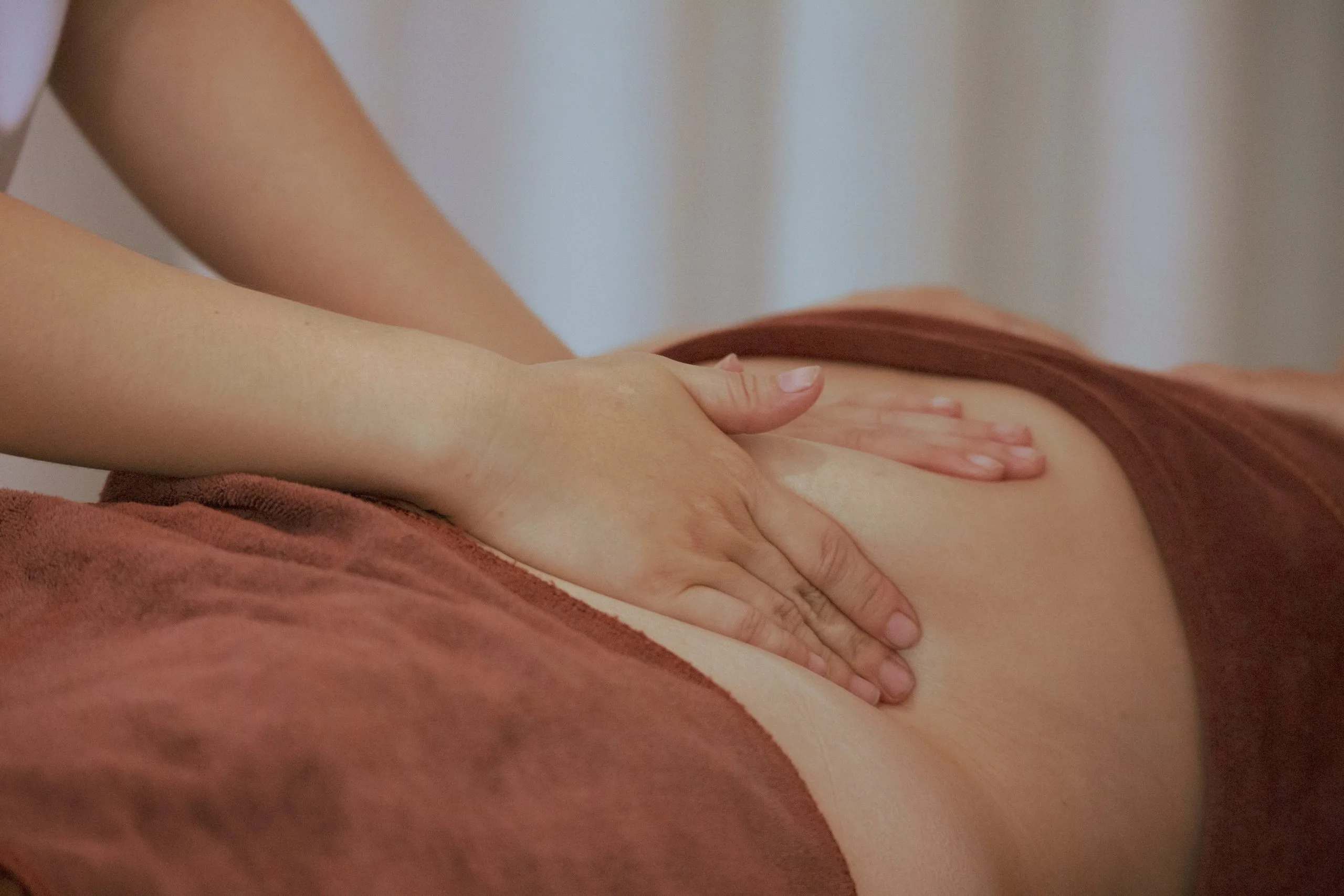
This is where lymphatic drainage massage comes in. It’s not a deep-tissue massage. It uses light, rhythmic strokes that follow the natural direction of lymph flow, gently encouraging fluid to move toward the lymph nodes where your body can process and eliminate it.
Here’s what this massage actually does for you during recovery:
Reduces swelling faster. Instead of waiting for fluid to clear on its own, manual stimulation speeds up drainage so you see your shape sooner.
Eases post-surgical discomfort. Less fluid pressure on the tissue often means less tightness and tenderness.
Lowers the risk of fibrosis. Trapped fluid that sits too long can harden into lumpy or ropey tissue under the skin. Regular sessions help prevent that from setting in.
Improves circulation. Better blood flow supports healing and can help skin look healthier as it settles over new contours.
Supports smoother, more even results. When fluid drains evenly, your final shape tends to look more uniform rather than lopsided or dimpled in spots.
Boosts your energy and mood. Many patients simply feel lighter and less sluggish after a session, which matters when you’re stuck resting at home.
Here’s how this treatment addresses real patient concerns:
“I don’t recognize my body right now.” Heavy swelling can make you feel like the surgery didn’t work, especially in the first two weeks. Regular massage sessions help the swelling recede on a more predictable timeline, so your progress feels visible instead of stalled.
“I’m in more pain than I expected.” Tight, fluid-filled tissue is uncomfortable. As drainage improves, that pressure eases, which many patients describe as an immediate sense of relief after each session.
“I’m scared of getting lumpy or uneven skin.” This is one of the most common concerns after lipo, and it’s a valid one. Fibrosis is more likely to develop when fluid isn’t cleared efficiently. Consistent lymphatic work in the early weeks is one of the best tools for keeping tissue soft and results smooth.
“I don’t know if I’m healing correctly.” Working with a trained therapist means someone is monitoring your recovery hands-on, session after session, and can flag anything that looks off before it becomes a bigger issue.
Timing matters. Massage too early, before tissue has settled, can be uncomfortable or even counterproductive. Most patients begin sometime in the first one to two weeks after surgery, though the right timing depends on your specific procedure and how your body is healing.
A general pattern many patients follow:
Several sessions per week during the first two to three weeks, when swelling is at its peak
Sessions tapering to once or twice a week as fluid retention decreases
Occasional maintenance sessions afterward, if desired, for ongoing comfort and circulation
Your surgeon and massage therapist should coordinate on this schedule together, since every recovery looks a little different depending on how much fat was removed and which areas were treated.
If you’ve never had this kind of massage, it’s worth knowing that it’s nothing like a sports massage or deep-tissue work. The pressure is light. The strokes are slow and rhythmic, following lymph pathways rather than working into muscle. Most people find it relaxing rather than painful, though tender areas may feel more sensitive right after surgery.
Afterward, it’s common to feel the urge to use the bathroom more than usual. That’s a good sign. It means your body is actively flushing out the fluid the massage helped move. Staying hydrated before and after your session makes a real difference in how effective the treatment feels.
Not all lymphatic massage is created equal. After surgery, this isn’t just a spa treatment. It’s a clinical part of recovery, and it should be handled by people who understand post-surgical tissue and know how to adjust technique around your specific procedure and healing stage.
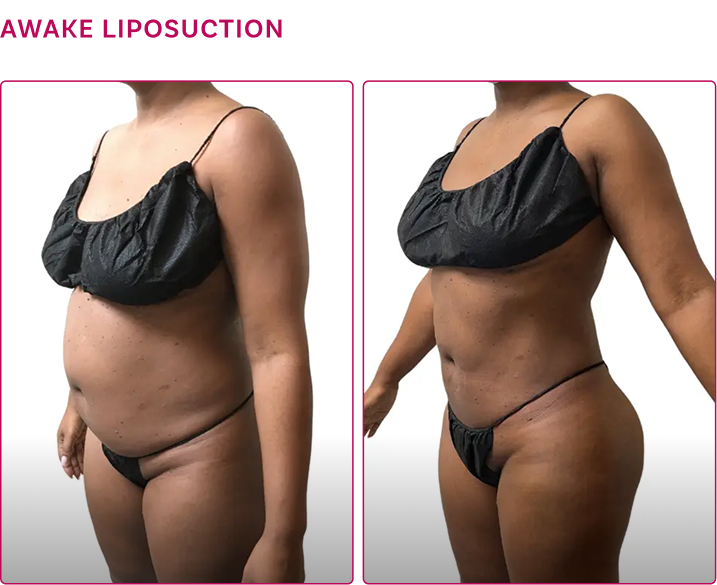
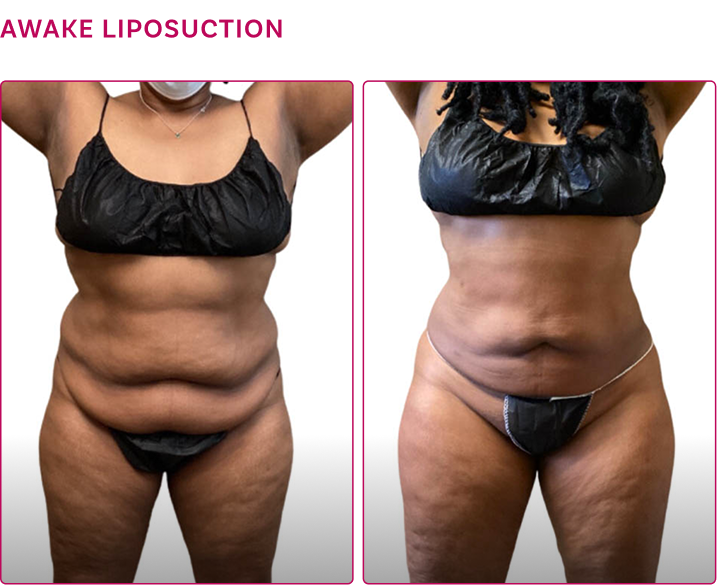
At Dr. Lissa Plastic Surgery, lymphatic drainage massage is offered as a dedicated part of recovery care for patients undergoing awake liposuction, high-BMI liposuction, and other body-contouring procedures. Sessions are tailored to your individual healing timeline, and your therapist works alongside your surgical team so nothing is left to guesswork about what your body needs.
Swelling and discomfort after lipo are expected, not a sign that anything went wrong. But you don’t have to just wait them out. Lymphatic drainage massage gives your body active support in clearing fluid, easing tightness, and protecting your results from complications like fibrosis, all while helping you feel more like yourself again, faster.
If you’re planning a procedure or already in recovery and wondering whether this kind of support is right for you, book a consultation with Dr. Lissa to talk through a recovery plan tailored to your body and timeline.

About the Author
Dr. Lisa Bootstaylor, MD