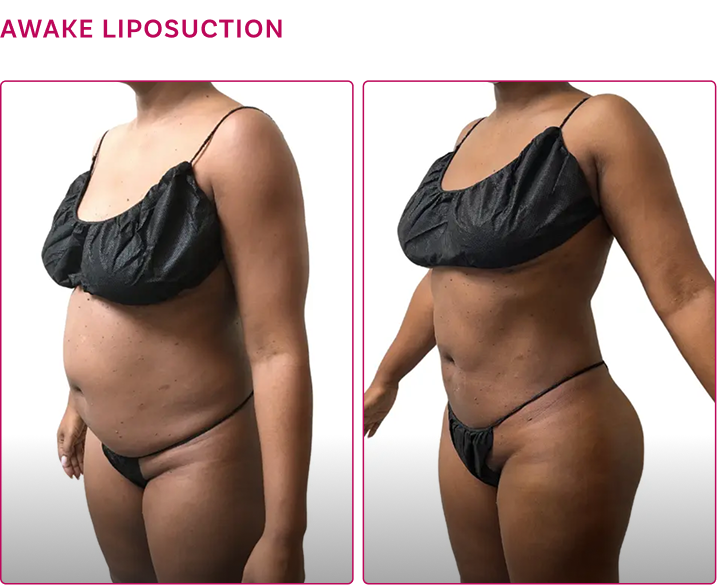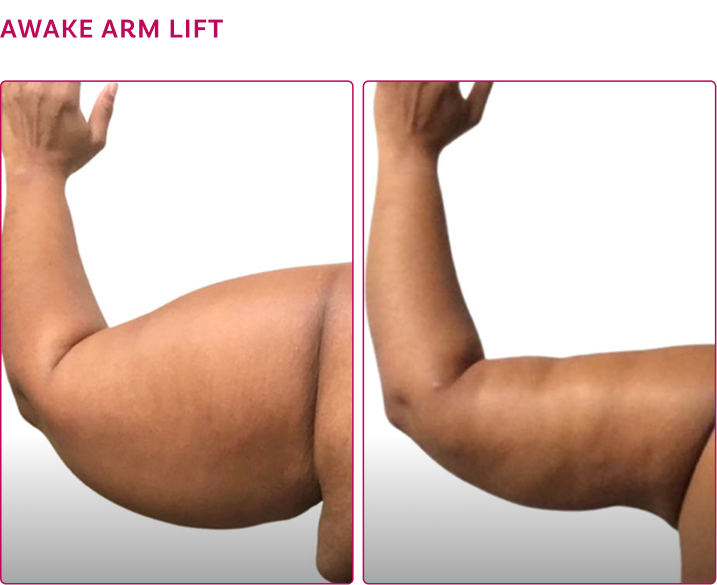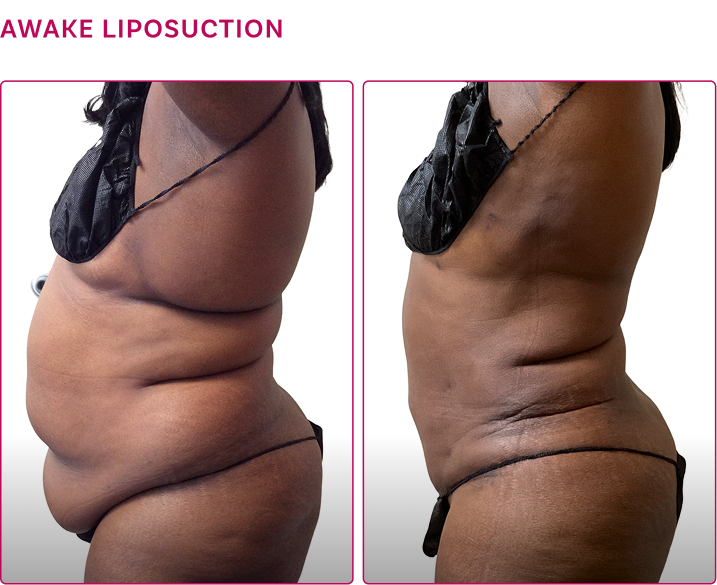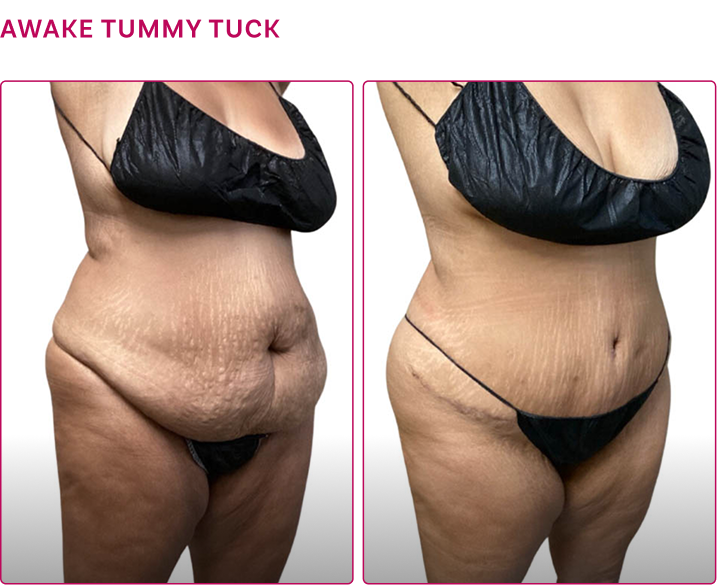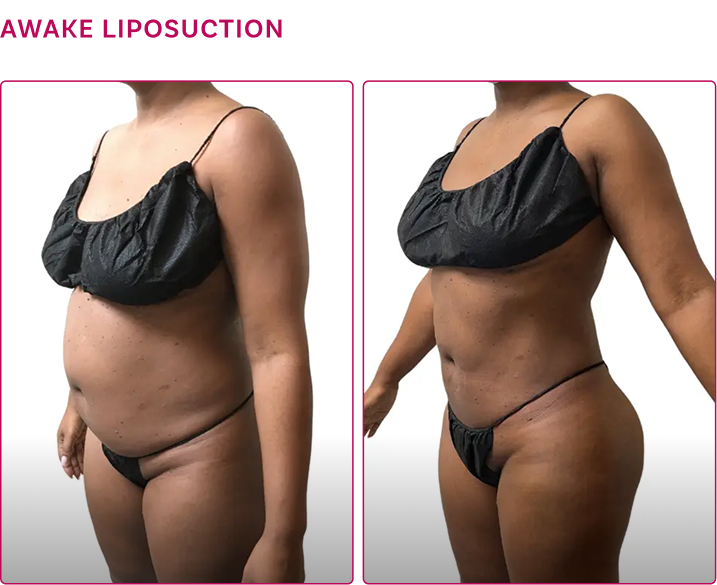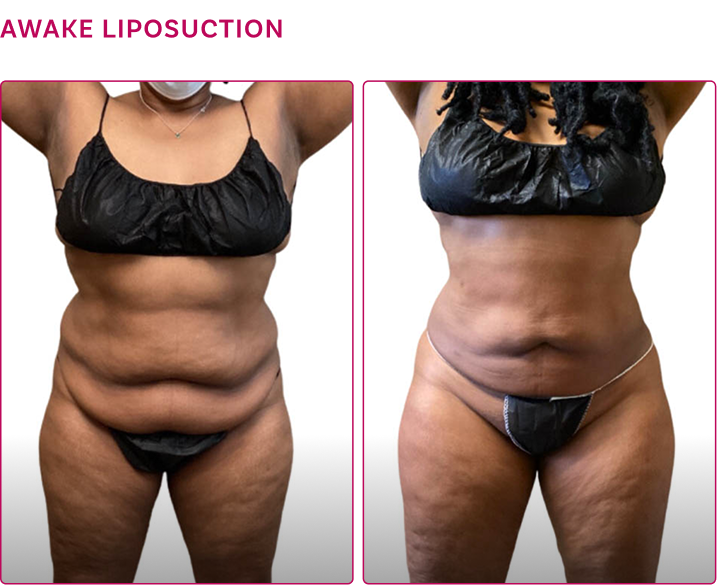
High-BMI liposuction removes large volumes of fat to reshape your contours, while a high-BMI tummy tuck removes hanging skin and tightens loose abdominal muscles. If your main concern is bulk through the abdomen, flanks, back, or arms, liposuction is usually the right starting point. If your main concern is an apron of loose skin, a stretched-out midsection after pregnancy, or weakened abdominal muscles, a tummy tuck addresses all of it comprehensively.
Many patients at Dr. Lissa Plastic Surgery in Atlanta, GA, are candidates for both – sometimes staged, sometimes combined. This article breaks down how the two procedures differ, what BMI actually means for your options, and how to choose.
Body contouring reshapes the body rather than shrinking it. The goal isn’t a number on the scale – it’s the shape underneath: a flatter stomach, a defined waist, a smoother back line.
At Dr. Lissa Plastic Surgery, we believe transformative results should be accessible to patients of all sizes, which is why we specialize in procedures tailored for a BMI of 35 and above.
High-BMI liposuction is a body-contouring procedure designed to remove excess fat from targeted areas and create a more defined body shape. It may be used to contour areas such as the abdomen, flanks, back, arms, thighs, or other areas where stubborn fat is concentrated. Rather than serving as a weight-loss treatment, liposuction focuses on reshaping the body’s proportions by reducing excess fat.
For patients with a BMI of 35 or higher, the treatment plan is tailored to their individual anatomy, health, fat distribution, and aesthetic goals. Patients with reasonably good skin elasticity may achieve significant contour improvement, while additional skin-tightening treatments may be considered when mild to moderate laxity is present.
A high-BMI tummy tuck is a body-contouring procedure that focuses on removing excess abdominal skin while tightening weakened or separated abdominal muscles when needed. It can be particularly helpful for patients with an overhanging apron of skin, stretched abdominal tissue after pregnancy or significant weight changes, or diastasis recti that creates a persistent abdominal bulge.
Unlike liposuction, which primarily removes fat, a tummy tuck addresses excess skin and the underlying abdominal wall to create a flatter, tighter abdominal profile. High-BMI patients may have both excess fat and loose skin, so liposuction may sometimes be incorporated into or staged with a tummy tuck when medically appropriate.
This is the core of the high-BMI liposuction vs tummy tuck question.
High-BMI Liposuction: Suctions fat cells from targeted areas – ideal for “debulking” the abdomen, flanks, back, and arms. If you pinch your abdomen and feel a thick, firm roll, that’s fat.
High-BMI Tummy Tuck: Removes fat (often with accompanying liposuction), but focuses on surgically excising inelastic skin and repairing stretched abdominal muscles. If you can grab a loose flap of skin that folds over itself and stays loose when you lie down, that’s skin.
Most high-BMI patients have some of both, which is why the consultation matters more than any online quiz.
Liposuction relies on your skin retracting after fat is removed. Younger skin with good elasticity often does this well. Skin stretched by significant weight gain, multiple pregnancies, or years of carrying extra volume may not bounce back – and liposuction alone can make sagging appear more pronounced.
Renuvion skin tightening can be added to awake liposuction for mild to moderate laxity
For significant hanging skin (a pannus), a tummy tuck or skin removal surgery is the definitive answer
Pregnancy and long-term weight changes can separate the vertical abdominal muscles – diastasis recti. The abdominal wall then bulges outward even when body fat is reduced, creating a “pooch” that diet and exercise can’t fix.
Only a tummy tuck with muscle repair can suture the muscle edges back together at the midline, creating a stronger, flatter internal corset. If your stomach sticks out but feels firm rather than soft, and doesn’t flatten when you lie on your back, muscle separation may be part of the picture.
Liposuction generally has a shorter, less restrictive recovery – many patients return to desk work within a week, with strenuous activity restricted for several weeks. Awake liposuction in particular allows patients to get up and move quickly, supporting circulation and healing.
A tummy tuck involves an incision along the lower abdomen and, with muscle repair, more restriction on bending, lifting, and core activity
Expect several weeks of limited mobility and a longer wait before heavy lifting and intense exercise
Compression garments, swelling, and gradual improvement over several weeks are expected with both
Anti-inflammatory eating supports healing – read more on the role of diet during post-op recovery
Both procedures produce long-lasting results when weight stays stable.
Liposuction: Fat cells removed do not grow back, though remaining cells can enlarge with weight gain. Final shape settles over several months as swelling subsides.
Tummy Tuck: A dramatically flatter, tighter abdomen – a transformation liposuction alone cannot achieve. Results are durable, but future pregnancies or major weight fluctuations can loosen the repair. The procedure leaves a permanent scar, typically low on the pubic line where underwear or a bikini bottom can hide it.
You may be a strong candidate if you:
Carry excess fat in defined areas – abdomen, flanks, back, bra roll, arms, thighs, chin
Have reasonably good skin elasticity, or are open to adding Renuvion tightening
Want a shorter recovery and prefer to avoid general anesthesia
Are looking for shape and proportion changes rather than skin removal
Are in good overall health with a stable weight and realistic expectations
We also offer arm liposuction with skin tightening, chin and neck liposuction, calf liposuction, and male liposuction including gynecomastia and abdominal etching.
A high-BMI tummy tuck may be the better fit if you:
Have an overhanging apron of skin that causes rashes, chafing, or clothing difficulty
Have loose, stretched skin that folds over the waistband
Have separated abdominal muscles after pregnancy or a persistent bulge from diastasis recti
Have lost significant weight and are left with skin rather than fat
Are bothered by both excess fat and sagging skin
Are finished having children, at a stable weight, and want a flatter profile that liposuction alone cannot deliver
A tummy tuck also pairs naturally with other procedures in a mommy makeover, or with liposuction of the flanks and back in the same session.
Some patients aren’t ready yet – not because of size, but because of timing or health status:
Midway through rapid weight loss or planning a pregnancy soon
Managing an uncontrolled medical condition
Actively smoking
Holding unrealistic expectations
A consultation is the only reliable way to know where you stand.
Your safety is the top priority. Read more about our approach to awake procedures and why they’ve become a preferred option for larger-volume contouring. Being honest about your medical history and medications during consultation directly shapes the surgical plan.
Neither procedure is a weight-loss treatment. Liposuction reshapes but won’t tighten loose skin or replace healthy habits. A tummy tuck tightens skin and muscle but leaves a scar and doesn’t reduce fat elsewhere. Understanding these boundaries up front is what makes patients happy afterward.
Plan for compression garments, activity restrictions, gradually fading swelling, and follow-up visits. Tummy tuck recovery is more demanding and requires more downtime and help at home than liposuction. Lymphatic drainage massage is offered at our medspa and is commonly used to reduce post-surgical swelling.
The decision often isn’t either-or. Common combinations include:
High-BMI Lipo 360 with tummy tuck
Tummy tuck with muscle repair plus flank liposuction
Awake tummy tuck with liposuction
“Lipo-abdominoplasty” – liposuction of the flanks and back performed alongside a tummy tuck
Combining allows a more complete torso transformation in one recovery period, when a patient is a suitable candidate.
Start by identifying your primary complaint in plain language:
“My stomach is thick” → A high-BMI liposuction is your starting point
“My stomach hangs” → A high-BMI tummy tuck is the more appropriate solution
“My stomach sticks out and feels tight” → Points toward muscle separation and muscle repair
Get evaluated in person. Skin quality, fat distribution, muscle tone, and prior surgeries all factor into a surgeon’s recommendation.
When weighing high-BMI liposuction vs tummy tuck, the deciding factor is fat versus skin. Liposuction removes fat and reshapes your contours with a shorter recovery, especially when performed awake. A tummy tuck removes loose skin and repairs separated muscles — something liposuction can’t do. Many patients with a BMI of 35 or higher benefit from a combined or staged plan.
Call 404-240-2804 to book, or explore our high-BMI procedures.

About the Author
Dr. Lisa Bootstaylor, MD